1. Study the Image Before You Guess
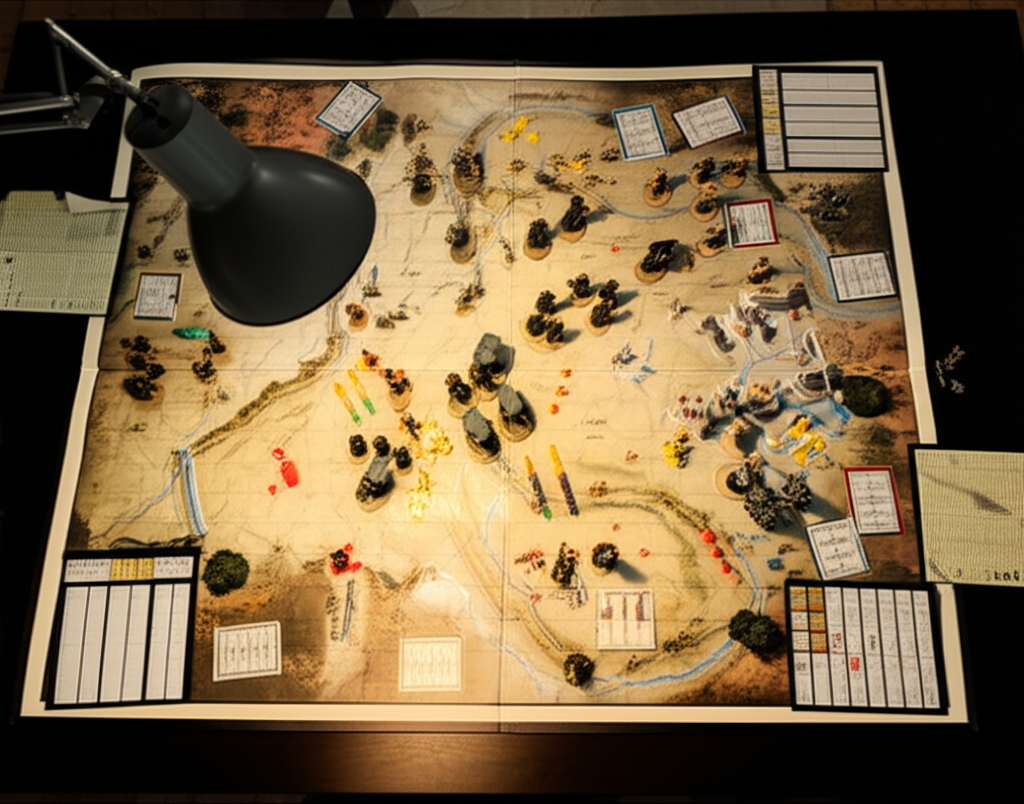
The most common mistake new players make is typing the first battle that comes to mind without thoroughly examining the image. Take a few seconds to scan the entire scene. Look at the weapons and armor — are they ancient bronze shields or modern rifles? Check the terrain — is it a desert, a European plain, or a tropical island? Notice the uniforms, banners, and formations. These visual details narrow the possibilities dramatically before you even start thinking about specific battle names.
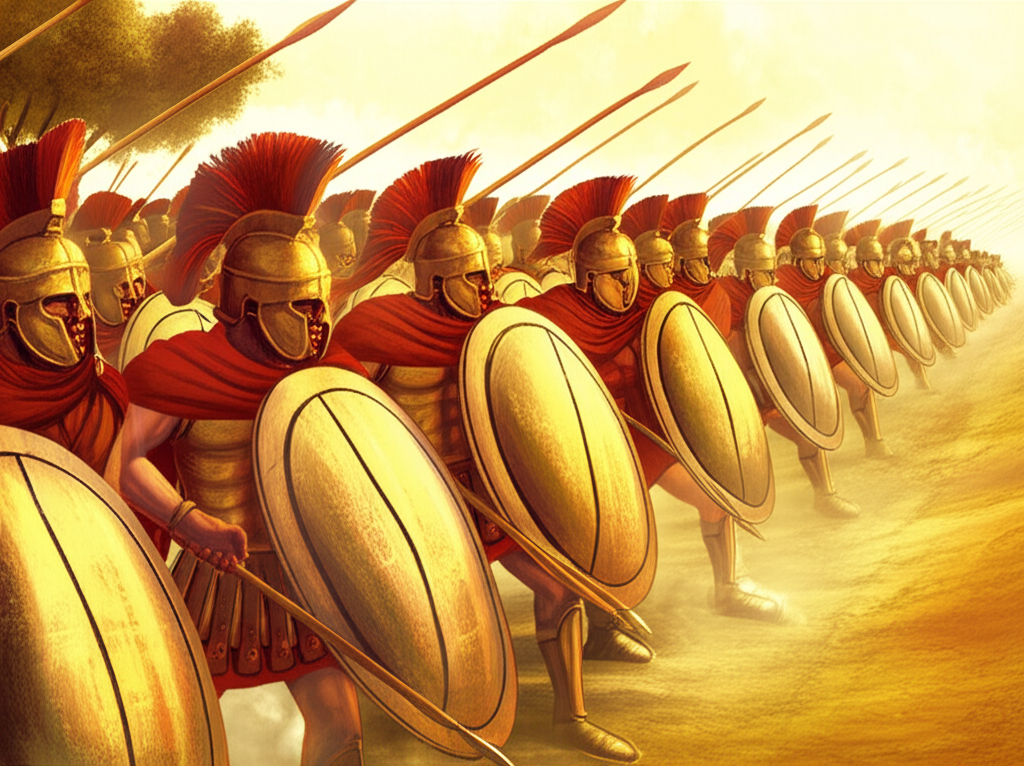
- •Weapons and armor — bronze shields suggest ancient era, muskets suggest early modern, tanks suggest 20th century
- •Terrain and landscape — desert, mountains, forests, and coastlines all point to specific regions
- •Uniforms and banners — colors, cross motifs, and crescent symbols help identify factions
- •Formation style — tight phalanx, line formation, or trench warfare narrows the time period
2. Learn the Visual Signatures of Each Era
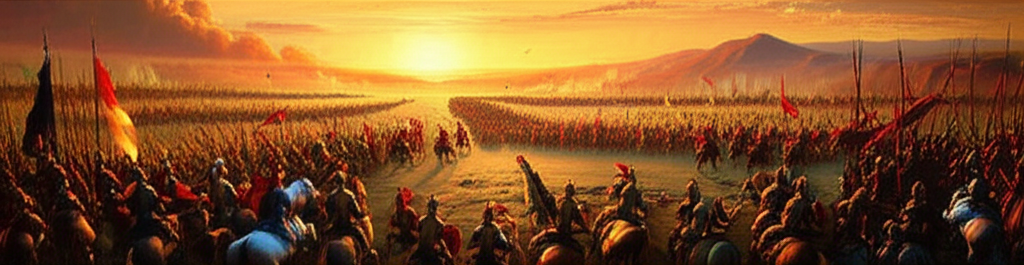
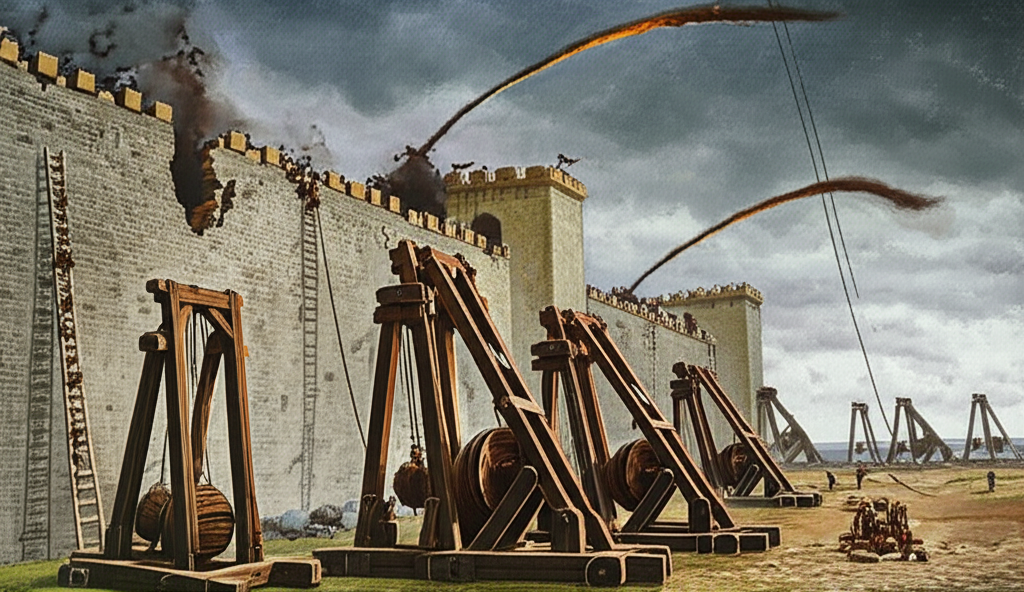
Each historical era in BattleGuess has distinct visual markers. Ancient Egyptian battles feature chariots and desert landscapes. Greek and Roman battles show phalanx formations and Mediterranean settings. Medieval battles have knights in plate armor and castle sieges. Learning to instantly recognize these era signatures lets you eliminate most wrong answers at a glance and focus on the handful of battles from the correct period.
3. Use Hints Strategically
Each hint costs 25 points, so using all four on a single battle costs 100 points. However, getting the answer wrong costs you all the points for that round plus your streak bonus. A single well-timed hint that confirms your suspicion is almost always worth the 25-point investment. The first hint is usually a broad era clue, while later hints become more specific. If you are already fairly sure of the era, skip the first hint and go for a more targeted one later if needed.
4. Protect Your Streak at All Costs
The streak bonus is one of the most powerful scoring mechanisms in BattleGuess. Each consecutive correct answer increases your streak multiplier, so a long streak can be worth hundreds of extra points. This means it is often better to use a hint and get the answer right than to guess blind and risk breaking your streak. Think of hints as streak insurance — spending 25 points to maintain a streak that is earning you 50 or more bonus points per round is always a good trade.
The psychological side of streak play matters almost as much as the maths. Long streaks create pressure, and pressure tempts players into rushed guesses on exactly the battles where a careful look would have saved them. A useful habit is to pause for a full breath whenever your streak hits a new personal best — literally count to three before committing. That small ritual resets your attention, keeps the streak bonus compounding, and usually costs you nothing because time bonuses are rarely decided in those three seconds. Treat your streak like an investment account: the longer it grows, the more conservative your plays around it should become.
5. Practice Across All Eras and Difficulties
It is tempting to stick with your strongest era, but well-rounded knowledge pays off in modes like Daily and Campaign where you cannot choose which battles appear. Spend time playing easy battles in eras you find difficult to build your baseline knowledge. The easy battles in each era introduce you to the most famous and recognizable conflicts, giving you anchor points that make medium and hard battles easier to identify through process of elimination.
6. Use Process of Elimination
Even if you cannot immediately identify a battle, you can often narrow it down to two or three candidates. If you see a naval battle with wooden ships, you know it is not World War II. If you see samurai armor, you know it is feudal Japan. If you see desert terrain with ancient soldiers, it could be Egypt, Persia, or the Crusades. Each piece of visual evidence eliminates possibilities, and combining three or four observations often leaves you with the correct answer.
- •First, identify the era (ancient, medieval, early modern, modern)
- •Then narrow to a region (Europe, Asia, Middle East, Americas)
- •Finally, look for unique details (specific uniforms, landmarks, or weather conditions)
7. Learn From Your Mistakes
Every wrong answer in BattleGuess is a learning opportunity. When you guess incorrectly, take a moment to study the correct answer and the image. What visual clue did you miss? Was there a distinctive uniform, terrain feature, or formation that should have given it away? Over time, these corrections build your visual vocabulary and make similar battles easier to identify in the future.
8. Explore the Battle Encyclopedia
BattleGuess includes a comprehensive battle encyclopedia with details on every battle in the game. Browsing through the encyclopedia between game sessions is an excellent way to familiarize yourself with battles you have not encountered yet. Pay attention to the images, descriptions, and era groupings. The more battles you have seen outside of gameplay, the more likely you are to recognize them when they appear during a game.
9. Calibrate Your Guessing Speed by Mode
Different BattleGuess modes reward different pacing, and top scorers adjust accordingly. In timed rounds, a confident answer within the first few seconds often outscores a perfect answer given at the buzzer, because time bonuses compound across a run. In untimed or Campaign play, the opposite is true — careful observation and a second pass over the image almost always pays off. The mistake to avoid is using the same rhythm everywhere.
Before each session, take a moment to ask what the mode actually rewards: raw accuracy, speed, streak length, or era coverage. Then set a simple rule for yourself — for example, "commit within ten seconds if I am above 80 percent sure, otherwise use one hint." Having a pre-committed rule prevents the most common scoring leak, which is freezing on a battle you half-recognise and letting the clock eat your bonus. Try a few rules across different Game modes and keep the one that fits your playing style.
- •Daily and timed modes — lean toward fast, confident answers
- •Campaign and exploration modes — slow down and cross-check details
- •Streak-focused runs — prioritise hint use over risky guesses
- •Warm-up rounds — use them to recalibrate, not to chase scores
10. Keep a Personal "Hard Battles" List
Every player has a handful of battles that consistently catch them out. Maybe you mix up two similar desert engagements, or you keep confusing two 18th-century European campaigns with nearly identical uniforms. The fastest way to plug these leaks is to keep a short personal list — a notes app entry is plenty — of the battles that have beaten you twice or more.
Each entry needs only three things: the battle name, the visual clue you missed, and the feature that would have given it away. Review the list for a minute before each play session. Over time, you will find that most of your "surprise" wrong answers come from the same dozen or so battles, and a targeted study list turns those weak spots into reliable points. Pair this with a quick browse of the Battle encyclopedia and you will see measurable gains within a few sessions.
Keep Exploring BattleGuess
These companion guides pair well with the score-improvement tips above. Read them, then jump back into BattleGuess to put the strategy to work.
- •Battlefield Tactics Explained for Beginners — tactical vocabulary that makes images easier to read
- •A Beginner’s Guide to Military History — build the era knowledge your guesses rely on
- •Battles Every Student Should Know — the highest-frequency battles you should lock in first
- •10 Most Decisive Battles in History — recognisable heavyweights you will meet often
- •Try a new challenge type in Game modes or study profiles in the Battle encyclopedia.