Where to Start
Military history can feel overwhelming because it spans thousands of years and every corner of the globe. The best approach for beginners is to pick a single era or conflict that interests you and go deep before going broad. If you enjoy movies about gladiators or ancient empires, start with Rome. If World War II fascinates you, begin with the major campaigns in Europe or the Pacific. Having a personal hook makes the learning stick, and you will naturally branch out to related topics once you build a foundation.
The Major Eras at a Glance
Military history is typically divided into broad periods, each with distinct weapons, tactics, and political contexts.
- •Ancient era (3000 BCE – 500 CE) — Egypt, Mesopotamia, Greece, Rome, chariot and phalanx warfare
- •Medieval period (500 – 1500) — feudal warfare, the Crusades, castles, and the rise of the Ottoman Empire
- •Early Modern period (1500 – 1800) — gunpowder revolution, colonial expansion, Napoleonic Wars
- •Modern era (1800 – present) — World Wars, Cold War, mechanized and aerial warfare
Key Concepts to Understand
A few core concepts make military history much easier to follow. Strategy refers to the big-picture plan for winning a war, while tactics are the specific maneuvers used in individual battles. Logistics — the movement of supplies, food, and reinforcements — is often the deciding factor in prolonged conflicts, even though it gets less attention than dramatic charges and last stands. Understanding the difference between offensive and defensive warfare, and why commanders choose one over the other, will help you analyze almost any battle you encounter.
Two more concepts quietly shape almost every engagement you will read about: doctrine and command intent. Doctrine is the shared set of assumptions an army carries into combat — how it expects to move, fight, and communicate — and it often explains why two forces with similar weapons behave so differently. Command intent is the idea that subordinates should understand their commander’s overall goal well enough to adapt when plans fall apart. When you notice these two threads, battles stop looking like collections of random decisions and start looking like the meeting of two organisations, each with its own habits, language, and blind spots. That shift in perspective is what separates casual reading from genuine understanding.
- •Strategy — the overall plan for winning a war or campaign
- •Tactics — how troops are arranged and maneuver during a specific battle
- •Logistics — supply chains, reinforcements, and the ability to sustain an army in the field
- •Terrain — how geography shapes battles, from mountain passes to river crossings
- •Morale — the willingness of troops to fight, often the difference between victory and rout
Recommended Starting Points by Interest
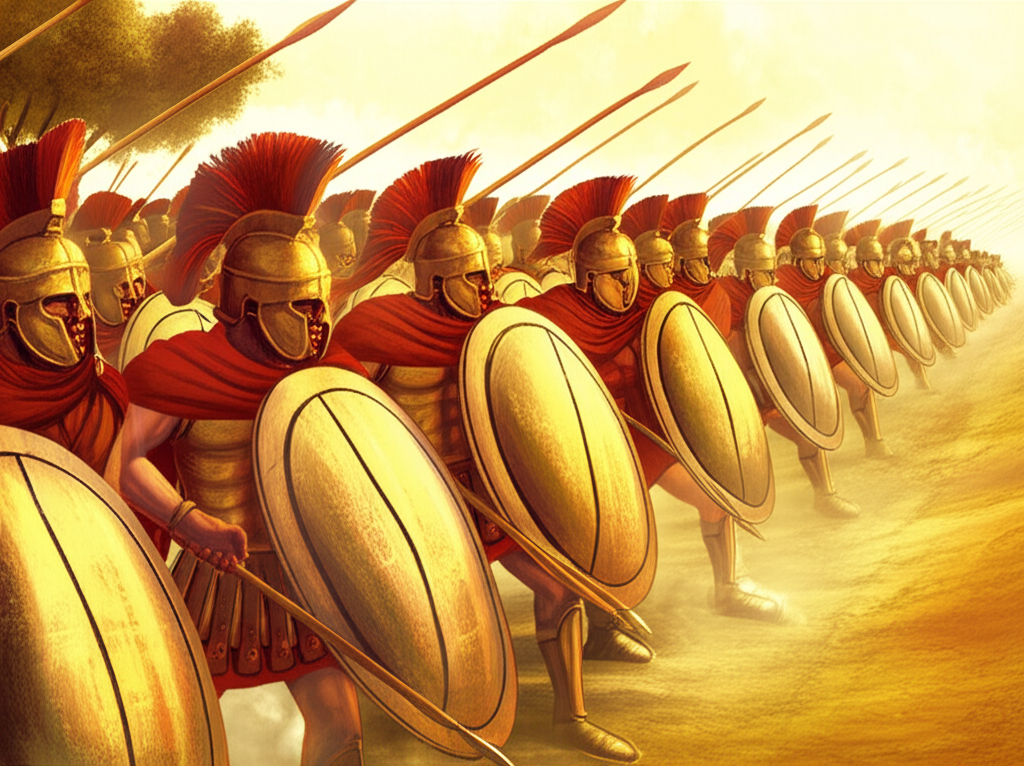
If you love stories of individual heroism and small-unit action, start with the Spartans at Thermopylae or the defense of Rorke’s Drift. If grand strategy and empire-building appeal to you, study Alexander the Great’s campaigns or Napoleon’s conquest of Europe. For those interested in technology and innovation, the evolution from bronze weapons to gunpowder to armored tanks is a fascinating thread that runs through all of military history. And if you enjoy puzzles and deduction, try BattleGuess — identifying battles from visual clues is a surprisingly effective way to learn the distinguishing features of different eras and conflicts.
Books and Resources for Beginners
The following resources are widely recommended as entry points into military history.
- •A History of Warfare by John Keegan — an accessible overview spanning all of military history
- •The Art of War by Sun Tzu — the classic text on strategy, short enough to read in an afternoon
- •Khan Academy: World History — free lessons covering major civilizations and conflicts
- •Crash Course World History on YouTube — entertaining video overviews of key historical periods
- •HistoryExtra podcast — expert interviews on battles, campaigns, and commanders
Building Knowledge Over Time
The best way to retain military history knowledge is through active engagement rather than passive reading. Test yourself regularly, discuss battles with friends, and try to connect individual events to the larger historical narrative. Games like BattleGuess are excellent tools for this because they force you to recall specific details under pressure. Start with easy difficulty to build confidence, then gradually increase the challenge. Over time you will develop an instinctive sense for identifying eras, regions, and even specific battles from contextual clues alone.
How to Read a Battle Map
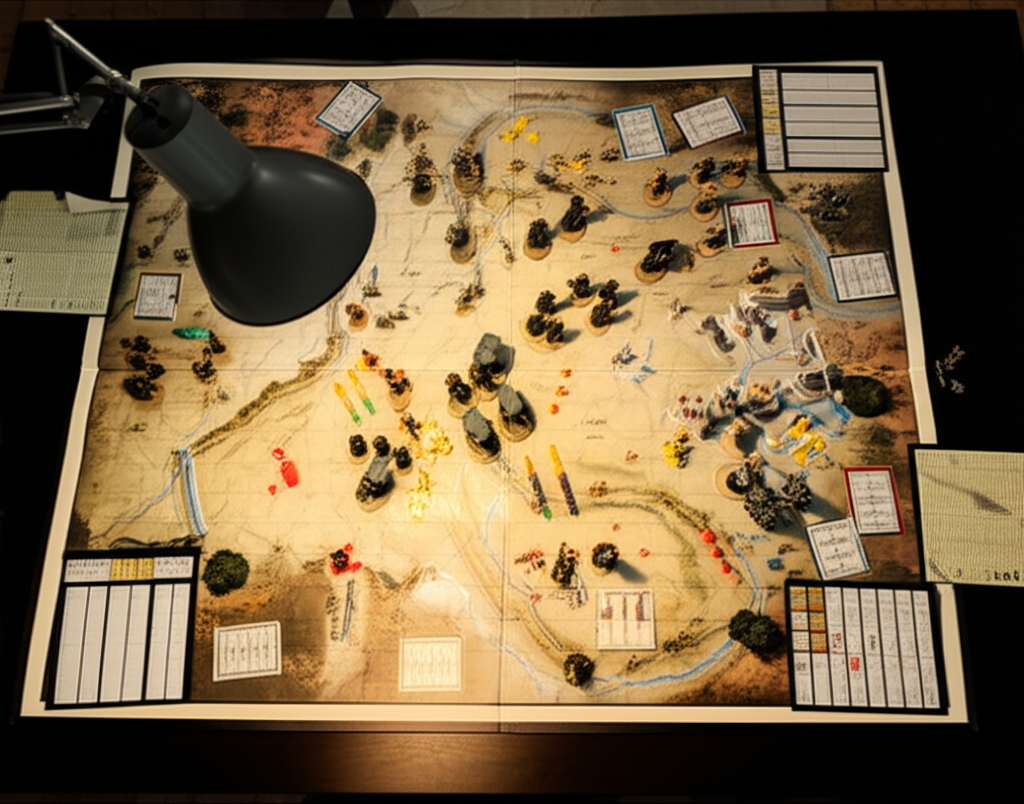
Battle maps look intimidating at first, but they follow a small set of conventions you can learn quickly. Friendly forces are almost always shown in blue, opposing forces in red, with unit symbols indicating infantry (crossed lines in a box), cavalry (single diagonal), or artillery (filled circle). Arrows show movement, dashed lines show planned or attempted moves, and hatched shapes usually mark fortifications or entrenchments. Once these basics click, you can follow a campaign across dozens of pages without getting lost.
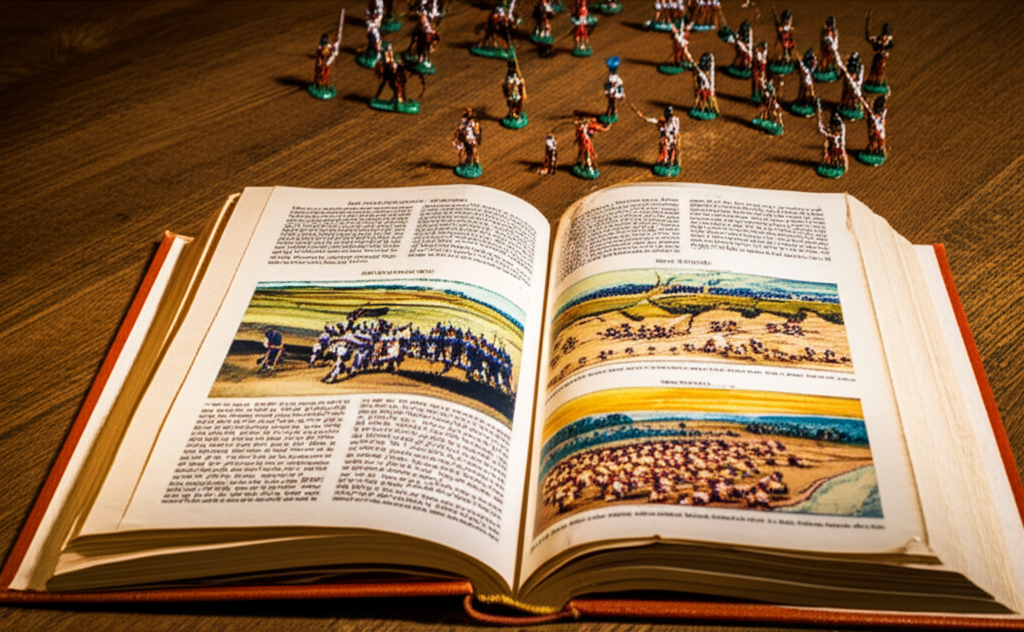
Start with a single, well-drawn map and trace the sequence of events in order, pausing to check the terrain. Ask three questions every time: where is high ground, where are the lines of supply, and where can the losing side retreat to? Those three questions explain the majority of tactical decisions in any era, from Cannae to the Western Front. Good atlases pair maps with short written summaries, and pairing those with images in the Battle encyclopedia turns abstract diagrams into memorable scenes.
- •Blue = friendly, Red = enemy in most Western atlases
- •Unit symbols (NATO style) show branch, size, and sometimes nationality
- •Arrows show actual movements; dashed arrows show intended ones
- •Contour lines and rivers usually explain why a commander chose a position
Building a Simple Study Routine
Military history rewards small, regular effort far more than occasional marathon sessions. A routine that works well for most beginners is to pick one battle or campaign per week, read a short overview, then spend ten or fifteen minutes a day on related material — a map, a primary-source quote, a podcast episode, or a quick round in a game. By the end of the month you will know four engagements in real depth rather than skimming twenty.
Self-testing multiplies what you retain. After reading about a battle, try to summarise it from memory in three sentences: who fought, what each side was trying to achieve, and why the outcome mattered. Keeping a simple notebook — paper or digital — of these summaries builds a personal reference you can return to. Over a year, this kind of routine produces a surprisingly thorough map of military history, and it pairs naturally with practice on BattleGuess or tools like the Game modes page.
Keep Exploring BattleGuess
Ready to go from beginner to confident? These companion guides build on the foundations above, and you can practice everything you learn at BattleGuess.
- •Battles Every Student Should Know — the essential curriculum for exams and general knowledge
- •Battlefield Tactics Explained for Beginners — flanking, envelopment, and the hammer-and-anvil
- •8 Ways to Improve Your BattleGuess Score — turn knowledge into points
- •10 Most Decisive Battles in History — the starting-point highlights reel
- •Pick a mode from the Game modes page or explore the Battle encyclopedia to study before you play.