Why These Battles Matter for Students
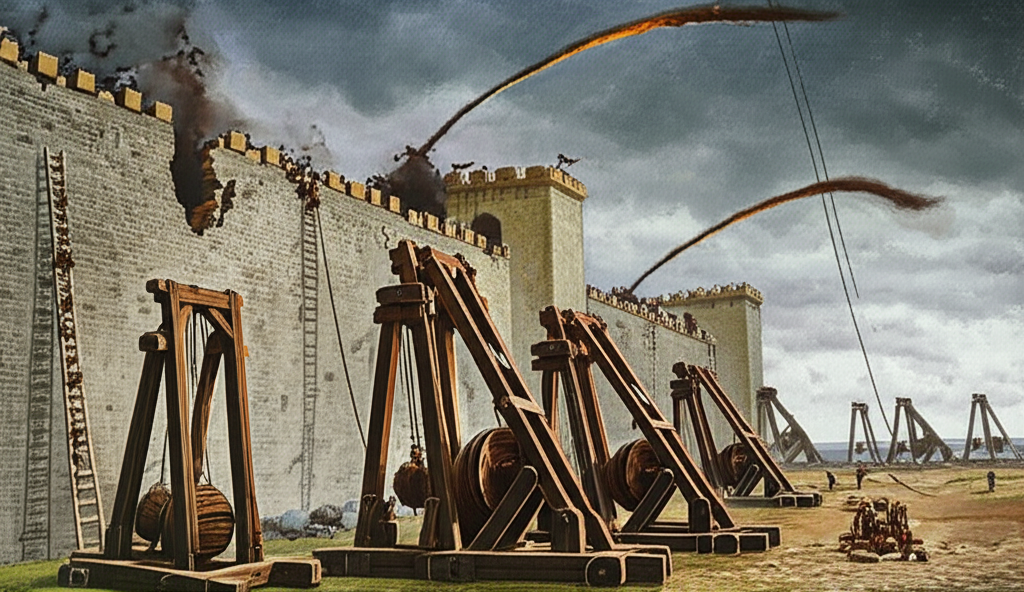
History exams and curricula around the world consistently focus on a core set of battles whose outcomes had lasting consequences. Knowing these battles is not just about memorizing dates and names — it is about understanding the cause-and-effect chains that created the modern world. Each battle on this list represents a turning point where the decisions of commanders and the courage of soldiers altered the trajectory of nations. Whether you are studying for AP History, a university exam, or simply building general knowledge, these are the battles that come up again and again.
The Foundation: Ancient Battles
Marathon (490 BCE) preserved Greek democracy from Persian conquest. Thermopylae (480 BCE) demonstrated the power of disciplined defense. Gaugamela (331 BCE) ended the Persian Empire and created the Hellenistic world. Cannae (216 BCE) remains the textbook example of a double envelopment — a tactic still studied in military academies today. These four battles form the foundation of Western military history and are essential knowledge for any history student.
- •Marathon — the Athenian victory that saved Greek democracy and inspired the marathon race
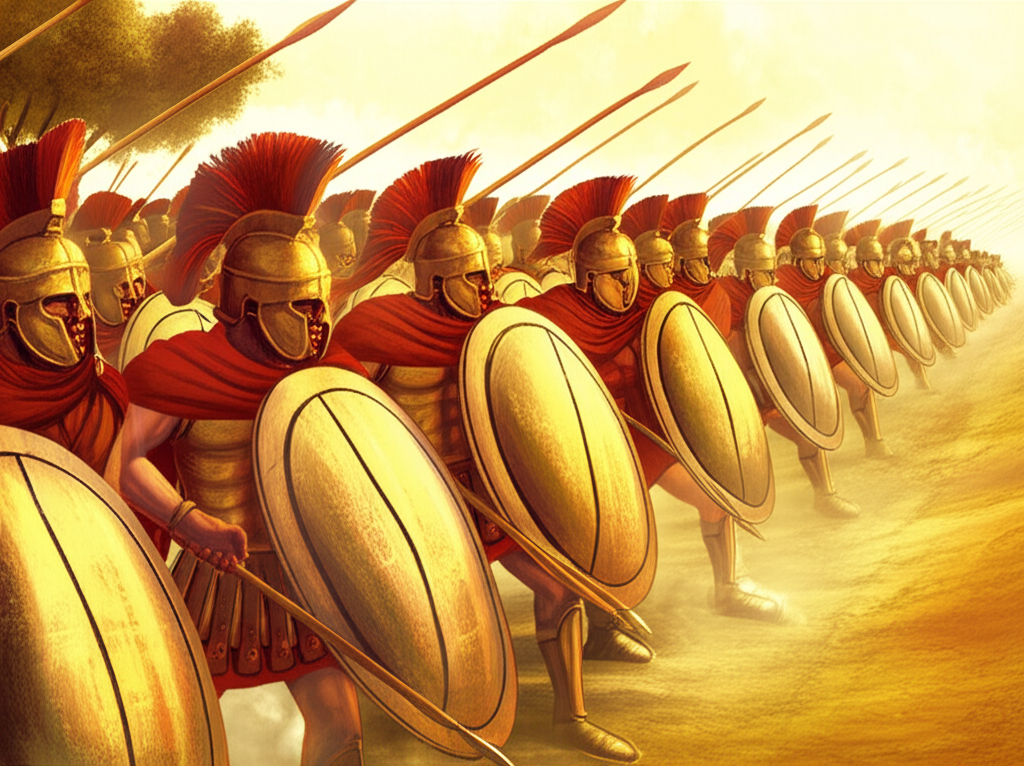
- •Thermopylae — 300 Spartans held the pass, buying time for Greece to organize its defense
- •Gaugamela — Alexander’s decisive victory ended the Achaemenid Persian Empire
- •Cannae — Hannibal encircled and destroyed a Roman army of 80,000, the worst defeat in Roman history
Medieval Through Early Modern
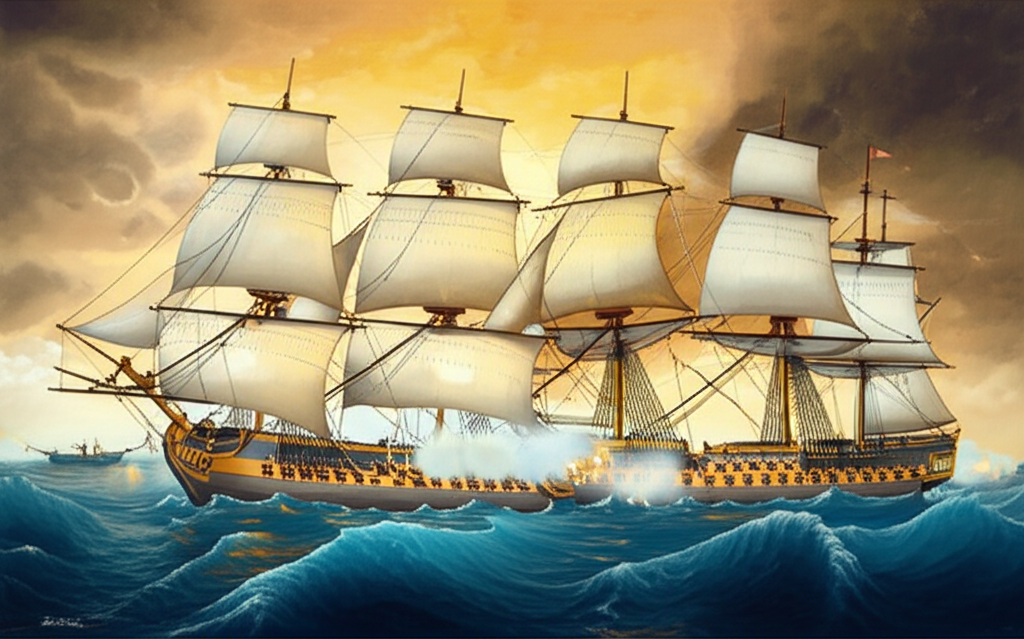
Hastings (1066) reshaped English language and law. The Fall of Constantinople (1453) ended the medieval era and sparked the Age of Exploration. Waterloo (1815) closed the Napoleonic chapter and established the Concert of Europe. The American Revolution’s key battles — Saratoga (1777) and Yorktown (1781) — demonstrated how colonial forces could defeat professional European armies and inspired independence movements worldwide.
The Modern World
Gettysburg (1863) turned the tide of the American Civil War. The Somme (1916) and Verdun (1916) exposed the futility of trench warfare and shaped an entire generation’s view of conflict. Stalingrad (1942-1943) marked the turning point of World War II in Europe. D-Day (1944) was the largest amphibious invasion in history. These battles defined the twentieth century and their consequences are still felt in global politics today.
- •Gettysburg — the three-day battle that ended Lee’s invasion of the North
- •The Somme — over one million casualties in a single battle, a defining moment of WWI
- •Stalingrad — the bloodiest battle in history with over two million total casualties
- •D-Day — 156,000 Allied troops landed on five beaches in Normandy on June 6, 1944
How to Study Battles Effectively
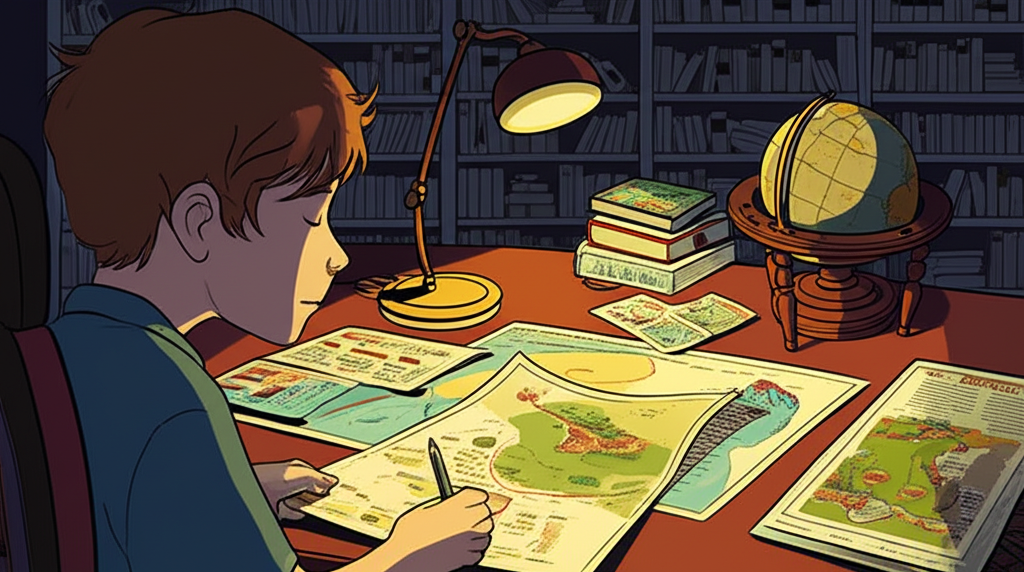
Memorizing dates is the least effective way to learn military history. Instead, focus on understanding why each battle happened, what made it decisive, and what changed as a result.
Spaced repetition is the other half of the equation. Research into the forgetting curve shows that information decays rapidly unless it is revisited at widening intervals, which is why a twenty-minute review a week before an exam beats hours of last-minute cramming. Build a simple schedule: review a battle the day you first study it, then three days later, then a week later, then two weeks. Combine this with retrieval practice — closing the book and trying to write out what you remember — and you will retain far more than classmates who rely on highlighting. Gamified tools like BattleGuess fit neatly into this rhythm because each short session is itself a retrieval exercise.
- •Create a timeline connecting battles to the wars and political events they belong to
- •For each battle, learn: who fought, why, what tactics were used, and what the outcome changed
- •Use active recall — test yourself instead of passively re-reading notes
- •Connect battles to themes like technology, logistics, and political change rather than studying them in isolation
- •BattleGuess is built around active recall, making it an effective study tool for visual learners
Study Smarter with BattleGuess
The most effective study technique is active recall — testing yourself rather than passively re-reading notes. BattleGuess is built around this principle, challenging you to identify battles from visual clues and contextual hints. Playing regularly helps you build a mental library of battle imagery that makes studying more efficient and exam preparation more effective.
Battles Outside the Western Canon
Most school syllabi lean heavily on European and American engagements, but a well-rounded student should know the battles that shaped the rest of the world too. The Battle of Talas in 751 CE halted Tang Chinese expansion into Central Asia and helped spread papermaking westward. Sekigahara in 1600 unified Japan under the Tokugawa and set the stage for two and a half centuries of relative peace. Panipat, fought three times on the same plain in northern India, decided the fate of the Delhi Sultanate and later the Mughal Empire.
African and Latin American examples are equally important. Isandlwana in 1879 showed that a well-organized Zulu army could defeat a modern European force in the field, while Ayacucho in 1824 effectively ended Spanish rule in South America. Including these engagements in your study plan signals to examiners that you understand military history as a global phenomenon rather than a Western story with footnotes.
- •Talas (751) — Tang China vs. the Abbasid Caliphate in Central Asia
- •Sekigahara (1600) — the battle that unified Japan under the Tokugawa shogunate
- •Panipat (1526, 1556, 1761) — three decisive battles on the same Indian plain
- •Isandlwana (1879) — a major Zulu victory over British forces in southern Africa
- •Ayacucho (1824) — the engagement that sealed South American independence
Writing Strong Essay Answers About Battles
Exam questions about battles almost never reward pure narrative. Markers are looking for analysis: causes, significance, and historiographical awareness. A strong answer opens with a clear thesis — for example, that Stalingrad was decisive not because of its scale but because it destroyed the German Sixth Army and broke the operational initiative on the Eastern Front — and then marshals specific evidence to support it.
Avoid the common trap of listing every detail you remember. Pick three or four pieces of precise evidence and explain what each one proves. Signpost the wider context: how did the battle fit into the war, and how did the war fit into its century? Finish by acknowledging scholarly debate where appropriate — historians disagree, for instance, about whether Gettysburg was truly the turning point of the American Civil War or whether Vicksburg, fought at almost the same time, mattered more strategically.
Keep Exploring BattleGuess
Pair this study list with these deeper reads, then reinforce what you have learned at BattleGuess.
- •10 Most Decisive Battles in History — longer profiles of the heavyweight engagements
- •The Greatest Military Commanders of All Time — the people behind the victories
- •A Beginner’s Guide to Military History — an easy on-ramp if any era still feels unfamiliar
- •8 Ways to Improve Your BattleGuess Score — turn exam knowledge into a strong gameplay streak
- •Revise on the go with the Battle encyclopedia or pick a themed challenge from Game modes.