What Makes a Great Commander
Military greatness is measured not just by victories but by how those victories were achieved. The greatest commanders shared certain qualities: the ability to read terrain and anticipate enemy movements, the charisma to inspire troops under desperate conditions, the logistical foresight to keep armies supplied far from home, and the strategic vision to turn tactical victories into lasting political outcomes. Some won through raw aggression, others through patience and deception, but all demonstrated a mastery of warfare that set them apart from their contemporaries.
- •Strategic vision — the ability to see the big picture and plan campaigns, not just battles
- •Tactical innovation — developing new approaches that enemies could not counter
- •Leadership under fire — inspiring troops to fight beyond their limits in desperate situations
- •Logistical mastery — keeping armies fed, supplied, and moving across vast distances
- •Adaptability — adjusting plans when circumstances changed unexpectedly
Alexander the Great: The Conqueror
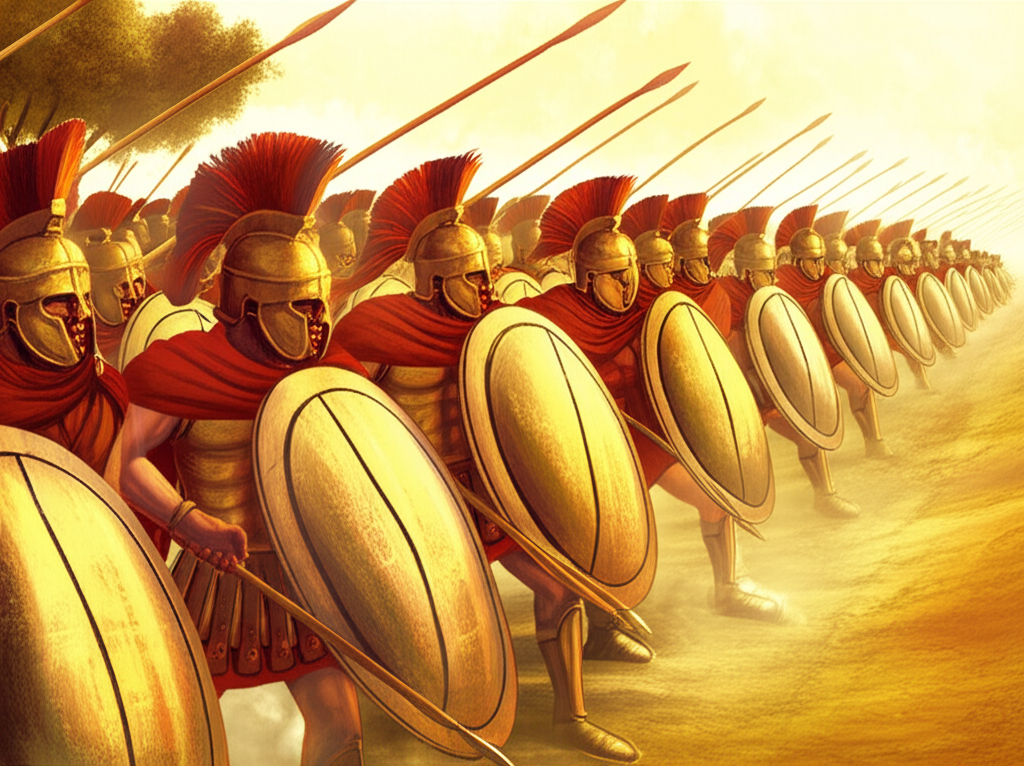
Alexander of Macedon conquered the largest empire the ancient world had ever seen before his thirtieth birthday. His genius lay in combining the Macedonian phalanx with cavalry shock tactics, personally leading charges at the decisive point of every engagement. At Gaugamela, he shattered the Persian Empire despite being outnumbered roughly three to one. At the Hydaspes, he crossed a swollen river at night to surprise an army with war elephants. His campaigns stretched from Greece to India, and the Hellenistic world he created endured for centuries after his death.
Hannibal Barca: The Strategist
Hannibal’s crossing of the Alps with war elephants remains one of the most audacious military maneuvers in history. His victory at Cannae — where he encircled and destroyed a Roman army twice his size — is still the gold standard for tactical envelopment. For fifteen years he campaigned in Italy, winning battle after battle against Rome without losing a major engagement. His ultimate defeat at Zama demonstrated that even the greatest tactical mind can be overcome by an opponent who refuses to fight on unfavorable terms. Polybius, the Greek historian who documented these wars, remains our primary source for Hannibal’s campaigns.
Genghis Khan: The Empire Builder
Genghis Khan built the largest contiguous land empire in history through a combination of brilliant tactics, psychological warfare, and ruthless efficiency. His Mongol armies could cover 100 miles in a single day, used sophisticated signal systems to coordinate movements, and employed deceptive tactics like feigned retreats that lured enemies into ambushes. Genghis Khan also pioneered the use of intelligence networks and propaganda, sending scouts ahead and spreading terrifying stories to weaken enemy morale before battles even began.
- •The Mongol composite bow was one of the most effective weapons of the medieval period
- •Mongol armies used a decimal system of organization (units of 10, 100, 1000, and 10,000)
- •Genghis Khan promoted soldiers based on merit rather than noble birth, a radical innovation
- •The Mongol Empire eventually stretched from Korea to Hungary
Napoleon Bonaparte: The Emperor
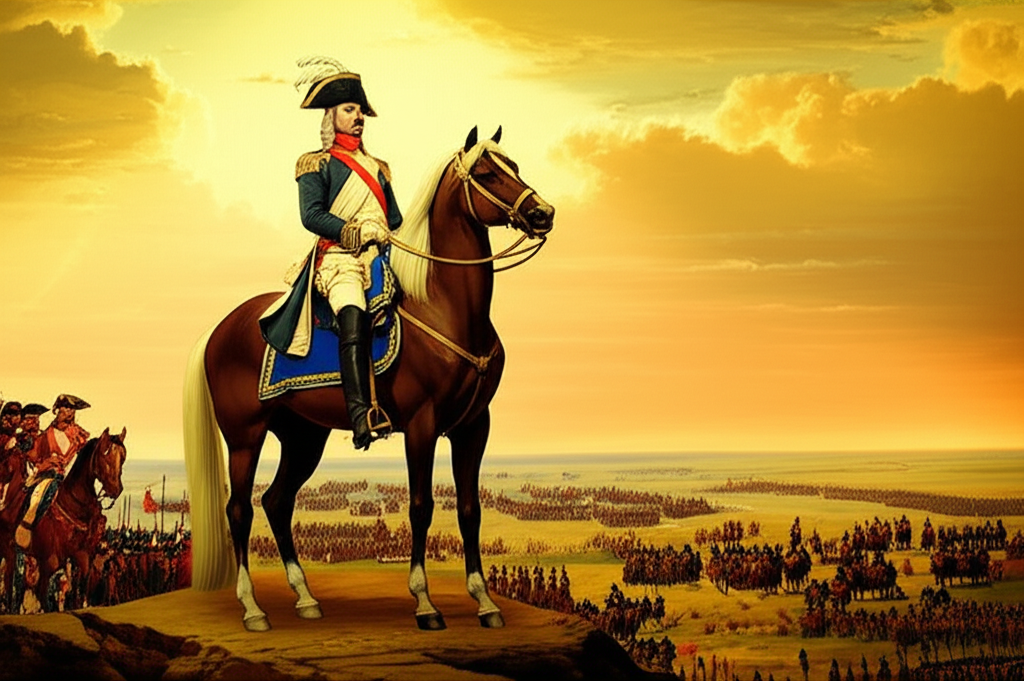
Napoleon revolutionized warfare through the corps system, which allowed him to maneuver multiple independent forces that could converge on a decisive point. His victory at Austerlitz, where he deliberately weakened his right flank to lure the enemy into a trap, is considered one of the greatest tactical masterpieces in military history. He fought in over sixty battles and lost only a handful, reshaping the map of Europe before his final defeat at Waterloo. His military innovations influenced every subsequent major conflict.
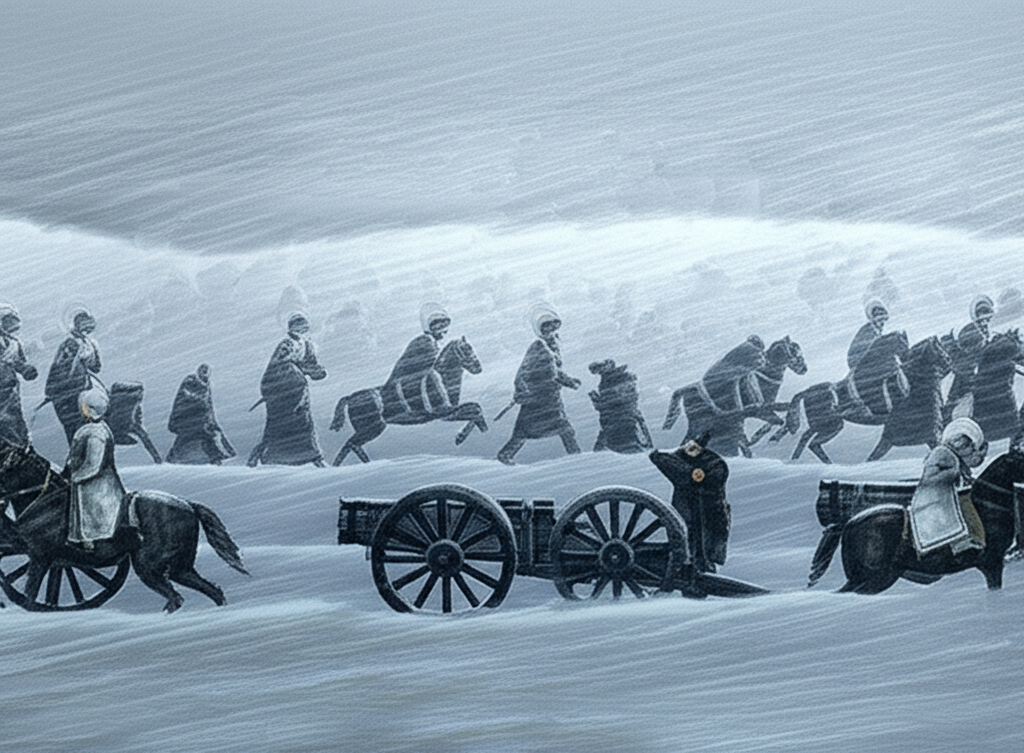
His failures are just as instructive as his victories. The 1812 invasion of Russia destroyed the Grande Armée through logistics and winter rather than enemy action — proof that even genius cannot outrun supply lines. The Peninsular War in Spain bled France for years in a grinding insurgency Napoleon never quite took seriously. And at Waterloo, a tired commander facing coordinated coalition opponents finally met a problem he could not out-maneuver. Studying where great commanders broke often teaches more than studying where they won.
Underrated Commanders Worth Studying
The usual “greatest of all time” lists lean heavily on European and classical figures. Broadening the lens turns up commanders whose records rival the famous names.
- •Subutai — Genghis Khan’s chief general, who coordinated campaigns across thousands of miles from China to Hungary using scouts, deception, and relentless marching
- •Belisarius — the Byzantine commander who reconquered much of the Roman west for Justinian with tiny, chronically underfunded armies
- •Khalid ibn al-Walid — undefeated in over a hundred battles during the early Islamic conquests, blending cavalry shock with fast operational tempo
- •Gustavus Adolphus — the Swedish king who modernised gunpowder warfare with combined-arms brigades and mobile artillery before dying at Lutzen
- •Vo Nguyen Giap — the self-taught Vietnamese general who defeated France at Dien Bien Phu and fought the United States to a negotiated withdrawal
How Commanders Are Ranked and Why It Is Hard
Any “greatest commander” ranking depends on what you count. Win rate alone rewards commanders who only fought weak opponents. Raw scale favours those who happened to lead large states. Strategic results matter, but so do the resources they were handed. Historians usually weigh several factors together: the quality of opposition faced, whether the commander innovated or merely executed existing doctrine, how results held up after the commander left the field, and whether their campaigns shaped later warfare. That is why lists disagree — the criteria are genuinely contested, not just a matter of taste.
Commanders in BattleGuess
Many battles in BattleGuess are associated with famous commanders, and knowing their signature tactics can help you identify battles faster. If you see a cavalry charge at the decisive moment, think Alexander. If you see a trapped army being encircled, think Hannibal. If you see a carefully planned deception with converging forces, think Napoleon. The battles of great commanders are featured across multiple eras and difficulty levels in BattleGuess.
Keep Exploring BattleGuess
Pair the stories of these commanders with the tactics and technology that made their victories possible. Then put yourself in the driver’s seat at BattleGuess.
- •Battlefield Tactics Explained for Beginners — envelopment, hammer-and-anvil, and more
- •10 Most Decisive Battles in History — the battles these commanders fought at their peak
- •Ancient Rome vs Ancient Greece: A Military Comparison — the systems Alexander and Caesar commanded
- •The History of Cavalry: From Chariots to Tanks — the arm of decision for almost every great general
- •Find a commander’s signature battle in the Battle encyclopedia or take a themed game mode challenge.